Connected Sites
-
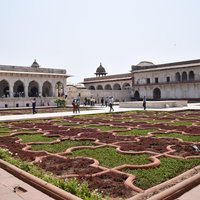
"To Agra and Lahor of Great Mogul." Milton identifies Agra as a primary capital of the Mughal Empire at its peak, focusing on the urban center of "Mogul" power. The Mughal Court at Agra
-
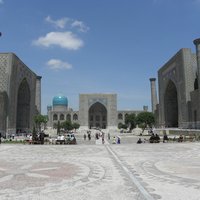
"In Samarchand... Temir’s throne." Milton identifies the city as the location of the "throne" or seat of Tamerlane, pinpointing the specific Silk Road capital. Tamerlane’s Capital
-
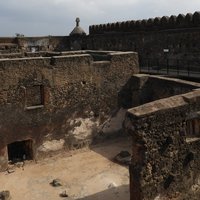
"Mombaza, and Quiloa, and Melind." Cited as a "maritime king," this entry refers to the strategic island hub that Milton recognized as a key pillar of coastal authority. Mombasa's Coastal History
-
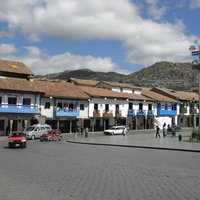
And Cuzco in Peru, the richer seat of Atabalipa." Milton highlights the urban "seat" of the Inca Emperor Atahualpa ("Atabalipa"), marking the city’s role as the administrative heart of the Andes. The Inca Capital
-
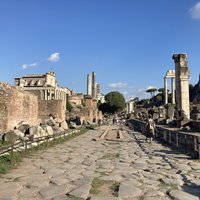
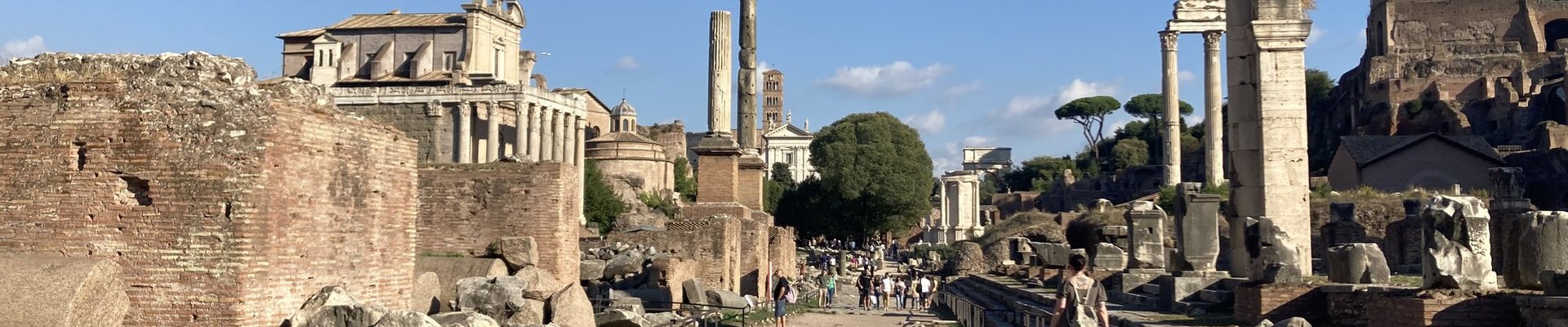
"Next, to the seat of Rome, and what the Roman eagle conquered ere." Milton explicitly directs the gaze to the "seat" of Rome, establishing the city itself as the focal point of his classical survey. Rome’s Imperial Legacy
-
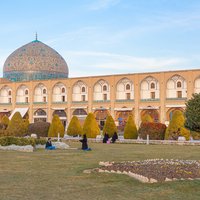
"Where the Persian in Ispahan sat." The phrase "in Ispahan sat" refers to the royal court residing in the city, which was the Safavid capital during Milton's lifetime. The Glory of Safavid Esfahan
-
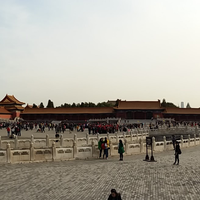
"The destined walls of Paquin, of Sinaean kings." Milton uses "Paquin" for Beijing and "Sinaean" for Chinese, viewing the "walls" of the city as the ultimate urban destination of the East. Architecture of the Forbidden City
-
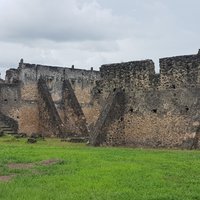
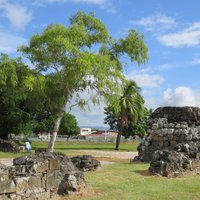
Kilwa Kisiwani (Quiloa), Tanzania: "Mombaza, and Quiloa... the less maritime kings." Milton identifies the Swahili city-states as "maritime kings," distinguishing these specific coastal urban powers from the inland interior. The Swahili Gold Trade
-
"And Panaman on the Isthmus." Published in 1667, Milton’s snapshot captured the peak of this global transport network just four years before the original city was destroyed by the pirate Henry Morgan in 1671. The site preserves the ruins and trails Milton envisioned. The Sack of Old Panama
-
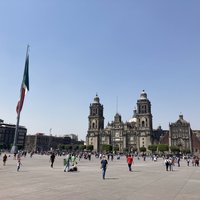
"Rich Mexico, the seat of Montezume." By defining Mexico as the "seat" of Moctezuma, Milton identifies the specific urban center of Tenochtitlan upon which the modern World Heritage Site is built. From Tenochtitlan to Mexico City
-
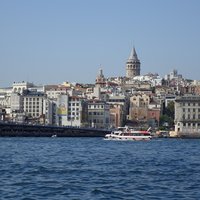
"To Byzantium, Turman-built." Milton uses the classical name for the city he calls "Turman-built" (Ottoman), acknowledging the urban layers that define the World Heritage Site. Istanbul's Layered History
-
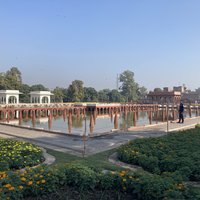
"To Agra and Lahor of Great Mogul." Paired with Agra, the inclusion of Lahore emphasizes the dual-capital urban structure of the empire Adam witnesses. History of the Walled City of Lahore
-
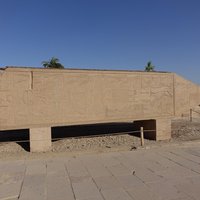
"Thence to the seat of Egyptian Thebes." Milton identifies the ancient religious capital as a specific "seat" of power, providing a direct link to the ruins of the Pharaonic city. Thebes and the Valley of the Kings