Dennis Nicklaus
Monarch Sanctuaries: A Rare Natural Wonder
Monarch Butterfly Biosphere Reserve (Inscribed)
Driving and then hiking in to see them, I was struck by how picky these monarchs are. Specific trees in small corners of remote forests. Even just 5 minutes walk away from them, I didn't see any stragglers or adventuresome wandering butterflies. They like their particular areas.
I've wanted to visit the monarch sanctuaries since learning about them and seeing them featured in National Geographic or other documentaries. So I finally booked flights to Mexico City (Jan. 2026) to come see these beauties. Happily, the weather in Mexico City is much nicer than the my home in January.
We hired a private driver to take us. Unfortunately our long drive there was extended by an extra 45 minutes when a routine police roadblock found our driver had an unpaid red-light ticket, so we had to divert to get that taken care of. Anyway,...
I picked the Sierra Chincua reserve to visit. I'm happy with my choice! Once our car arrived at the parking lot, we started our hike to the spot where the butterflies can be found. We had a pretty nice day, about 10C/50F. Walking to the reserve isn't a particularly hard trail, but we're at 3300 meters, so any exertion at all is tough. After about 40minutes walking, with plenty of rests to get our heartbeats back down to near normal, we arrived at the sanctuary where the butterflies are huddled on the trees.
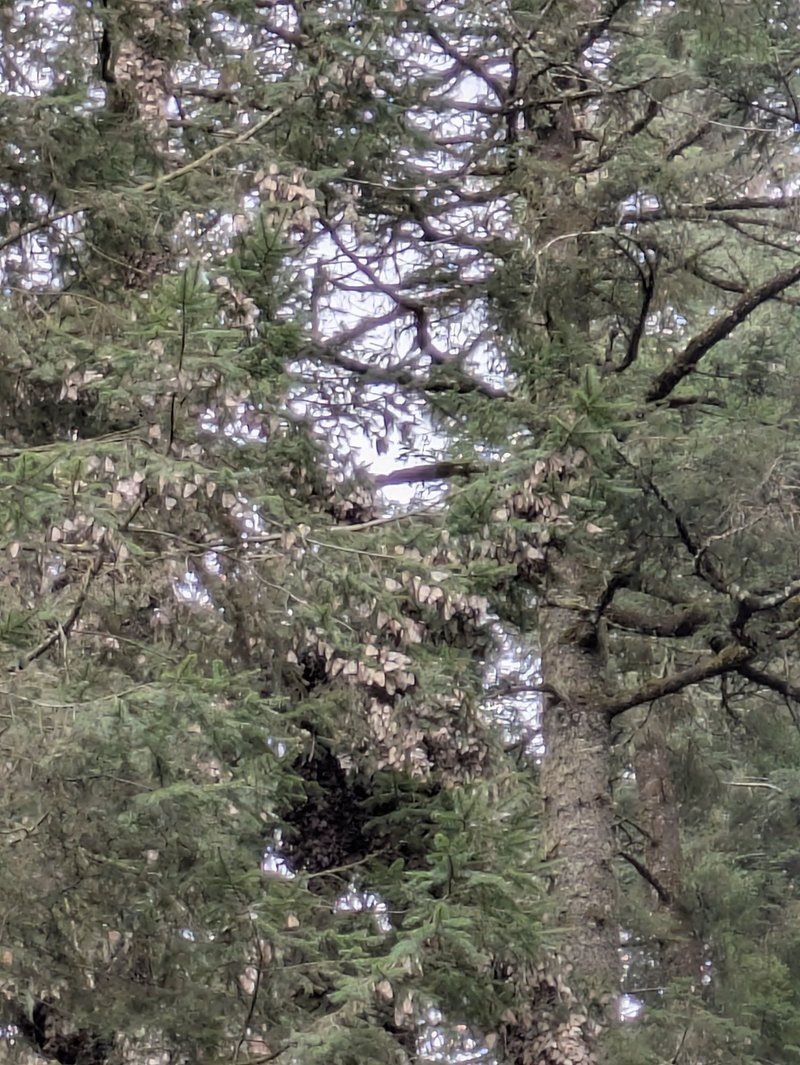
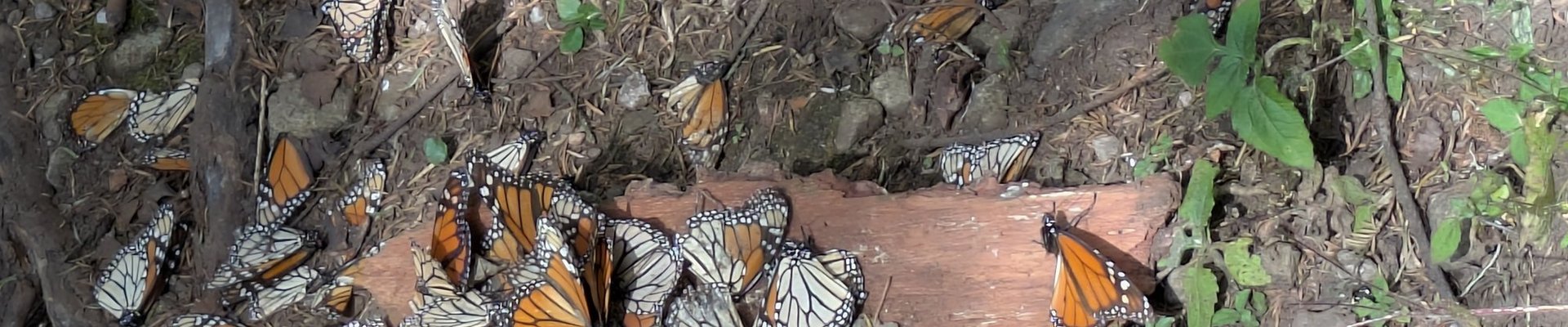
When we first spotted them, all the butterflies were clustered in the trees because it was still cloudy. You can also spot the wings of many dead monarchs on the ground. While this was cool to see, if that's all we had seen, it would have been a little disappointing. Fortunate for us, the sun came out of the clouds a minute after our arrival at the monarch trees. As the sun's rays hit the monarchs, it warms them up and they began to take flight and flutter around. More and more came to life as they warmed up, making for a very magical experience.
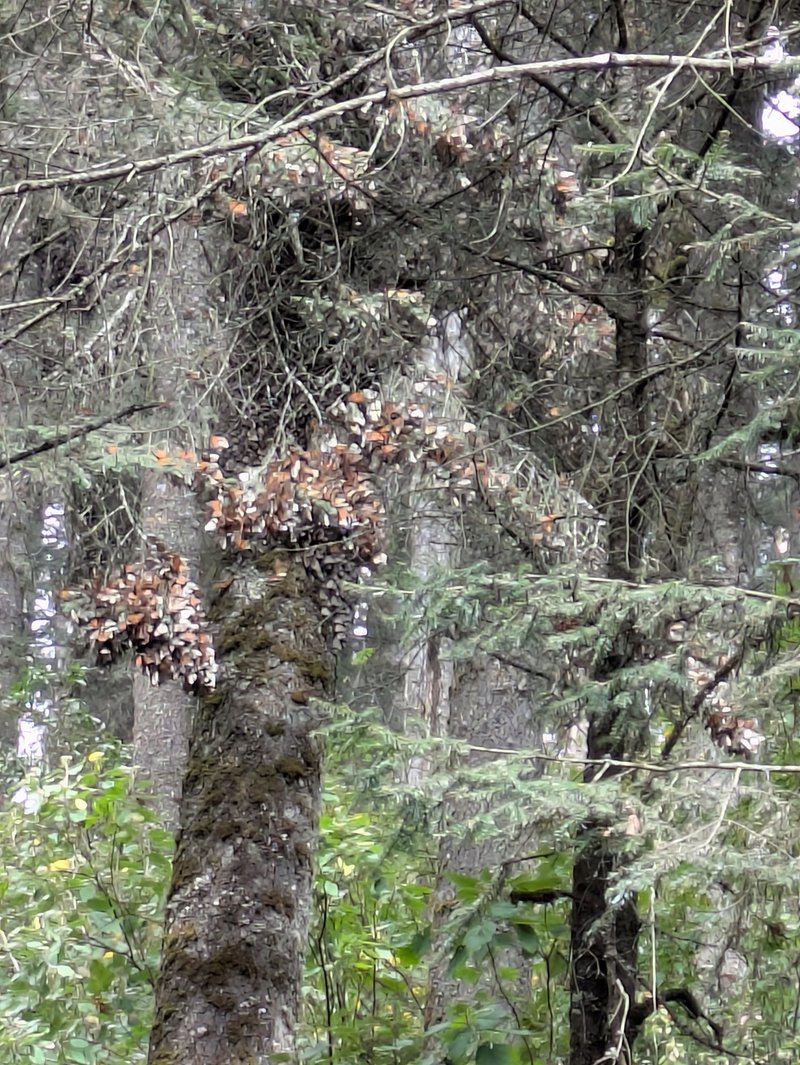
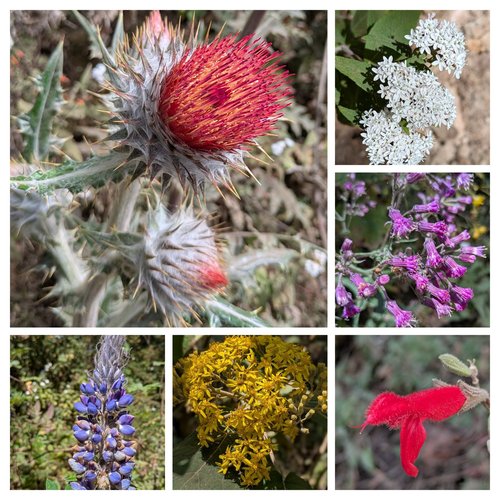
There were some signs posted saying your time at the actual sanctuary is limited to 18 minutes or something like that. We weren't rushed away at all. We watched them for 20-30 minutes then decided to start walking back. You get some great scenic views along the trail, but because of the altitude, we declined to go up to the official Mirador, another 15 minutes or so hike up. I did see 3 hummingbirds while on the walk back after the monarchs, attracted by local flowers.
Some concluding thoughts: It's a long drive and would have been nice to take the time and stay overnight out that way and maybe go to a second sanctuary the next day. Possibly an even better reason to do that is that you are at the mercy of the weather. Some days, the sun will stay hidden behind clouds and the experience won't be as good. For me, it was not as grand as being immersed in a National Geographic photo of the monarchs. A typical tourist doesn't have the access, or the time and patience that those photographers have to wait on the perfect moment. It is still very worthwhile, and I am very happy and feel privileged to have experienced it.
Sadly, I can easily believe this won't exist in 20 years or so, despite the best efforts to protect the sanctuary areas by Mexico. This is definitely one of those "go now" places.
Comments
No comments yet.